US Ph : +1-647-955-3767
Call or Fax 9.30 to 5.30 pm
EST Mon to Fri.
EST Mon to Fri.


-
-
0Checkout
Your shopping cart is empty!
- Track Order
We often ignore health symptoms, but they may be signs that require medical attention. Painful urination is one of the health symptoms we often ignore. You would not think much about peeing unless it hurts. You go to the bathroom several times a day, and even a mild stinging can feel very disturbing. The sensation of burning, stinging, pain, or discomfort during urination is a signal that something is not well in your body. This painful urination, in medical terms, is called “dysuria”. Painful urination has a wide range of causes, ranging from mild to serious concerns. You don’t have to constantly think why does it hurt when I pee, as we are going to unlock the causes and remedies of painful urination.
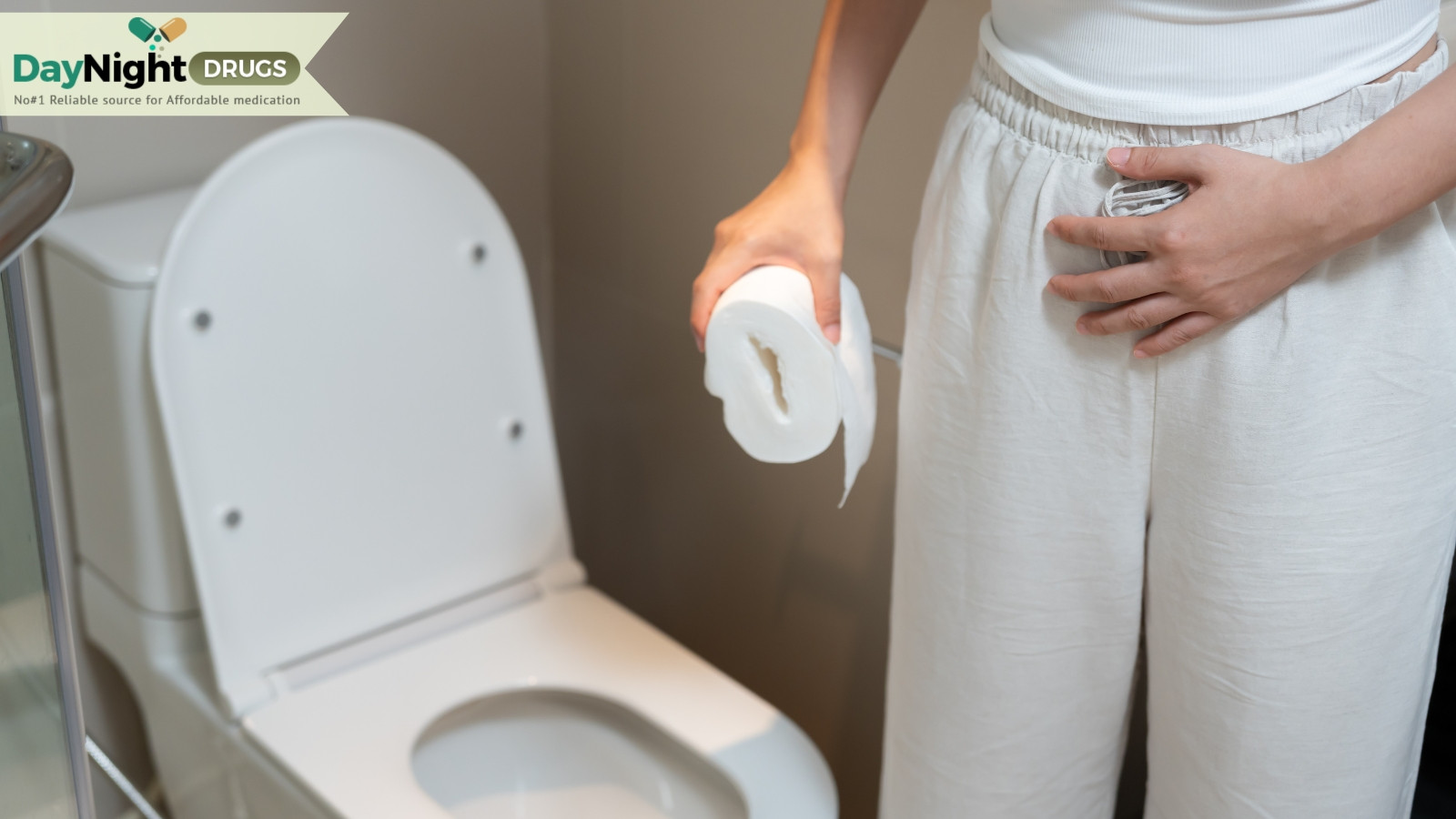
Pain while peeing is medically called “dysuria”. It refers to any discomfort during or after peeing. It can be a feeling of stinging, burning, aching, or pressure. Painful urination can be caused by multiple factors, including urinary tract infections (UTIs), sexually transmitted infections (STIs), or irritation from certain soaps or hygiene products. This condition may also cause frequent urges to urinate, cloudy or strong urine, and pelvic discomfort. Some people might experience it at the beginning of urination, while others might experience it throughout or right after urination. It can affect anyone, be it men, women, or children, but it is more common in women.
Have you ever thought, “Why does it burn when I pee?” Most people experience painful urination at least once in their lives; thus, it is essential to understand the causes and symptoms of painful urination to get the care you require. Let’s read about some of the common causes of painful and uncomfortable urination.
Urinary Tract Infection (UTIs): A UTI is the most common cause of painful urination and occurs when bacteria enter the urinary tract. UTIs are generally reported in women as women’s urethras are shorter, making them more susceptible to bacteria entering and growing. The infection occurs when bacteria enter your urethra and bladder. When the bacteria overgrow, they make acidic urine that comes out of the urethra and causes a burning or painful sensation.
Vaginal Infection: Just like UTIs, vaginal infections can also cause a burning sensation while urinating. Bacterial vaginosis (BV) and vaginal yeast infection are common vaginal health issues, but they all arise from different causes. A vaginal infection generally develops when Candida (a naturally occurring yeast in the body) grows out of control. Itchiness, discomfort, and white discharge are its main symptoms.
Sexually Transmitted Infections: Sexually transmitted infections, including chlamydia, gonorrhea, and trichomoniasis, can cause pain while you pee. If STI is the actual cause of the pain, you might observe some other symptoms like sudden discharge from your genitals, sores, or burning. To know which infection is present, it is essential to test the urine. If left untreated, STIs can turn worse and even lead to serious issues. Moreover, if you are sexually active, regular STI screenings are crucial for preventive healthcare.
Kidney Stones: Kidney stones have become more common, affecting more people than before. They form when salt and other minerals collect in your kidneys and bind together, creating hard deposits called kidney stones. You might wonder why I get the sharp pain while I pee. Kidney stones may be the underlying cause. These stones can cause irritation in the urinary tract or even temporarily block the flow of urine. While this can be very unpleasant, most stones pass on their own with proper hydration and medication.
Prostatitis: In men, pelvic pain is often labeled as prostatitis. It is a painful condition in which the prostate is inflamed, tender, and swollen. Prostatitis is the most common urinary tract problem for men under the age of 50. It often occurs when the bacteria seep out of the urinary tract into the prostate. It is generally treated with antibiotics and medications that eradicate the prostate symptoms.
Chemical Sensitivity: Whatever comes into contact with your skin always matters, especially the tissues in the genital area. Personal care products like soaps, douches, scented toilet paper, contraceptive sponges, and spermicides can cause irritation in the genital tissues. Especially for women, these products can throw off the pH balance of the vagina. It can lead to painful urination, swelling, itching, and an increased chance of getting a UTI.
If it hurts to pee, you should make an appointment with your doctor. In most cases, painful urination requires a doctor’s care. Treatment of painful urination entirely depends on the cause, but there are still some measures you can take to help with your symptoms.
Hydration: If you have an infection, drinking a lot of water thins urine and helps flush bacteria and irritants from the bladder and urethra. Increasing fluid intake also helps prevent UTIs from returning, and if the burning sensation is caused by something you ate or drank, drinking more water will dilute your urine and reduce the burning sensation as you pee. Sip water regularly rather than drinking a larger volume at once.
Antibiotics: Antibiotics are the best treatment if tests confirm a bacterial urinary tract infection or a bacterial sexually transmitted infection. Timely and appropriate antibiotic therapy clears the majority of the UTIs and STIs and minimizes the risk of complications like kidney infection.
Avoid Irritants: Everyday products can also cause urethral and genital irritation in some people. Eradicating potential irritants can reduce the symptoms quickly when infection is not the main cause. Avoid the use of new soaps, bubble bath, douches, spermicides, or feminine hygiene sprays.
Dietary Adjustments: There are certain foods and drinks that can cause irritation in the bladder, like caffeine, alcohol, or spicy foods. If you find certain items to trigger your symptoms, it may be helpful to avoid them to see if you will feel better.
Medications for STIs: If the cause of painful urination is an STI, treating the underlying infection is essential. There are certain antiviral medications like Zovirax that can control viral infections like herpes, while antibiotics can clear bacterial STIs. Your healthcare expert can help identify the specific cause and the best medication to help you heal.
You can eradicate the risk of pain while peeing by adopting some of the simple habits that protect the urinary tract and reduce irritation. Simple preventive measures make a big difference over time. Below are some of the prevention tips you can follow to reduce painful urination.
Drink enough fluids daily to improve regular urine flow.
Practice safe sex and use barrier protection if you feel at high risk of STIs.
Choose gentle, unscented products for the genital area.
After sexual activity, make sure to urinate and avoid holding urine for long periods.
Discuss with your healthcare expert about vaginal estrogen therapy if recurrent infections occur after menopause.
Pain or any discomfort while urinating can be a serious concern. It is a common problem with many possible causes, so it is crucial to understand why does urinating hurt and get appropriate medical care to find relief. By staying informed and embracing preventive habits, you can actively protect your urinary health and lower your risk of problems. If you have any concerns about the sharp pain while peeing, do not hesitate to consult your doctor for personalized advice and treatment. With timely care and effective prevention, you can navigate a speedy recovery.
Increase your water intake to dilute your urine, avoid bladder irritants like alcohol, caffeine, and spicy foods, and follow the personalized diet to stop the pain while peeing.
Painful urination is a common problem that is highly treatable. Do not panic; just seek medical advice from your doctor to prevent the issue from spreading to your kidneys or leading to other severe complications.
Yes, dehydration can cause a burning sensation when urinating. It results in concentrated, acidic urine that may irritate the urethra and bladder lining.
To relieve the painful urination, consume 2 to 3 litres of water daily so that the bacteria can be flushed out and diluted in the urine. Temporarily, you can take some pain relievers to reduce the discomfort.
Content published on DayNightDrugs is created and reviewed in line with medically responsible editorial standards. Please read our Editorial Content Policy to learn how we ensure accuracy, transparency, and high-quality health information.

 and Earn




Processing currency - All transactions are processed in US Dollars
Copyright ©2008-2026
All Rights Reserved







Comments