US Ph : +1-647-955-3767
Call or Fax 9.30 to 5.30 pm
EST Mon to Fri.
EST Mon to Fri.


-
-
0Checkout
Your shopping cart is empty!
- Track Order
01/10/2026
Low testosterone is a topic that is gaining increasing attention in discussions about health and well-being. Testosterone is a hormone that plays a paramount role in the body, influencing physical development, energy levels, libido, and overall balance. When testosterone levels decline below the normal range, it is called low testosterone or male hypogonadism. This condition affects people in different ways, and its impact may vary from person to person.
Low testosterone levels are influenced by multiple factors, including natural aging, lifestyle choices, and overall well-being. Understanding how low testosterone affects the body can help raise awareness. Understanding this condition in clear and simple terms can help individuals make informed decisions/choices about their health and understand the importance of maintaining hormonal health.
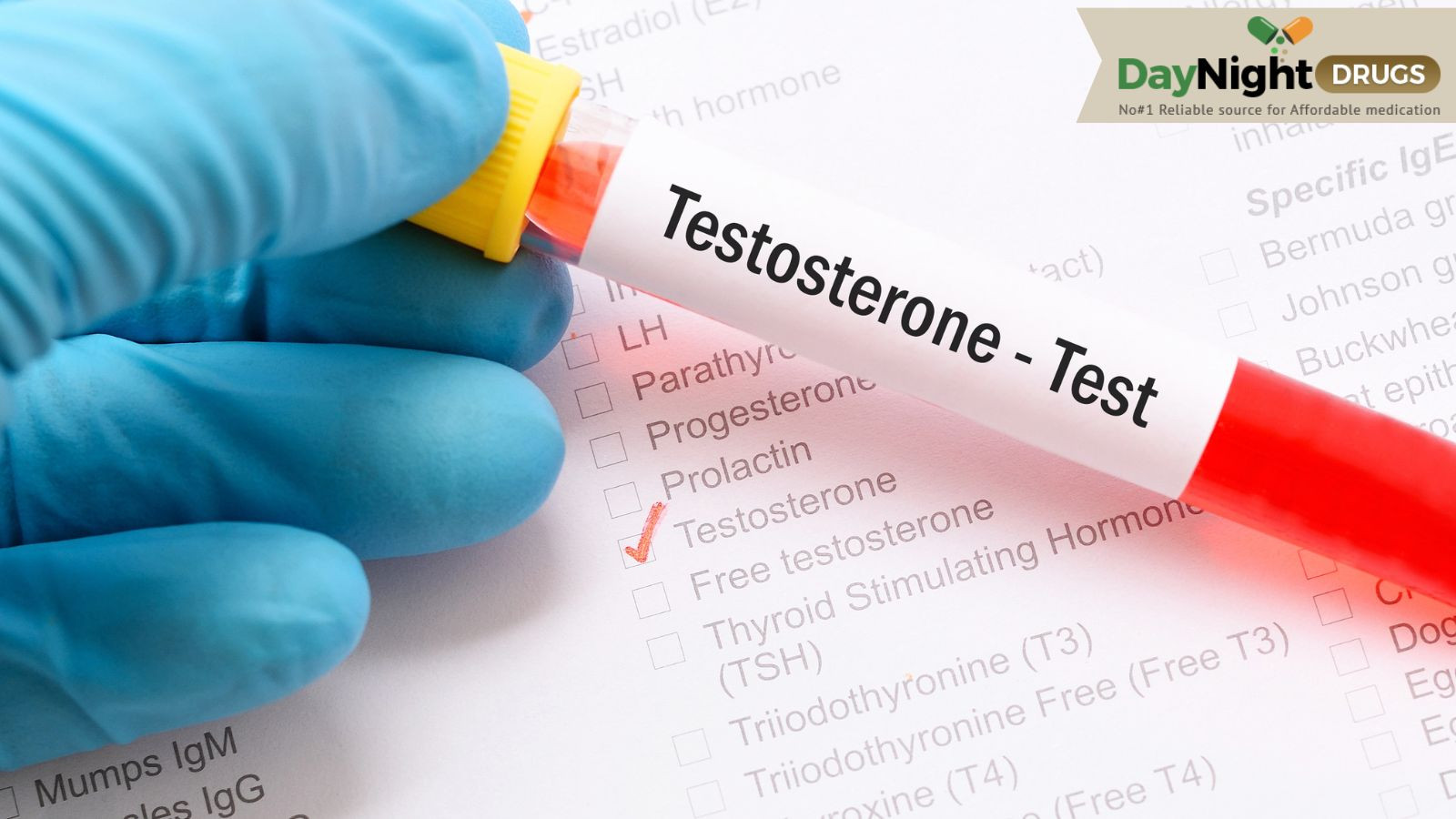
Low testosterone, medically known as male hypogonadism, is a condition wherein testicles fail to produce enough testosterone to facilitate various bodily functions. The Leydig cells in the testes or testicles are responsible for making testosterone. Testosterone is an essential hormone that plays vital roles in the body, including promoting sexual development, stimulating sperm production, and supporting muscle and bone mass.
When a diagnostic test confirms testosterone levels below 300 nanograms per decilitre, it is referred to as low testosterone. Low testosterone is also popularly known by some other names, such as andropause, male menopause, testosterone deficiency, and low T. As you age, your testosterone levels start depleting. The American Urological Association confirmed that 4 in 10 males aged above 45 years have low testosterone.
Testosterone is not the sole factor influencing your sex drive and performance. However, low testosterone is likely to induce a wide range of complications such as erectile dysfunction, low libido, poor sexual performance, etc.
Low testosterone or male hypogonadism can lead to a wide range of symptoms if the levels drop drastically. The number and severity of symptoms may vary from one man to another for various reasons. The signs are usually subtle but may worsen over time if left ignored. The following are the common signs of low testosterone in men:
Testosterone is not the only factor, yet it is the most influential factor in determining your sex drive and libido. As you age or get older, it’s common to feel a decline in sex drive. However, people with low T are likely to experience a steep decline in sex drive, which may be bothersome and stress-causing. Low sex drive is considered one of the most common low testosterone symptoms in men.
This male hormone, testosterone, assists in achieving a firm erection by telling brain receptors to release nitric oxide. Nitric oxide is a molecule that aids in activating a series of chemical reactions, which, as a result, allow you to get and sustain a firm erection upon sexual arousal.
Having low testosterone can cause trouble achieving an erection or a spontaneous erection during sleep. A study confirmed that approximately 35% of males with erectile dysfunction have low testosterone. Low testosterone is not the only cause of erectile dysfunction.
If you have low levels of testosterone, it is common to experience constant fatigue and low energy despite taking enough rest and sleep. In addition, you may find it difficult to get motivated to go to the gym.
Being low on testosterone levels can cause an increase in body fat and may cause gynecomastia, which is characterized by enlarged breast tissue. Under these conditions, gynecomastia usually occurs when the levels of testosterone and estrogen are not in the ideal range.
Low testosterone can affect your mood and memory greatly. It is believed that testosterone plays an essential role in mood, self-perception, and quality of life. Low T can cause you to have stress, irritability, and depression. In addition, a decline in testosterone with age can affect cognitive function, especially memory. Low T can lead to weak memory and other similar complications.
Testosterone plays an essential role in determining the size of your penis and testicles. With growing age, it's common to observe a decline in testosterone, which may cause you to experience a shrinkage in the size of your testicles.
Your hair health is directly proportional to testosterone levels. While balding is a natural part of growing old for many men, low testosterone can cause the loss of facial and body hair, too.
As mentioned above, testosterone levels decline naturally as you age, but certain conditions and factors can lead to low testosterone, causing a wide range of annoying symptoms. If levels decline due to aging, this will not lead to noticeable symptoms, and the decline is gradual. The following are the common causes of low testosterone:
Aids
Stress
Kidney disease
Cirrhosis of the liver
Autoimmune disease
Infections
Testicles injuries
Certain medications
Obesity
Metabolic syndrome
Alcohol addiction
Cancer treatments
Pituitary gland conditions
In order to confirm low testosterone levels, your healthcare provider will perform a blood test. The doctor will also check for other causes of your symptoms that may include side effects of specific medications, depression, thyroid problems, etc.
The most recommended and reliable treatment for low testosterone levels is hormone therapy. The medicine used to manage this condition is man-made testosterone. This medical treatment is also popular as testosterone replacement therapy. Testosterone replacement therapy, commonly known as TRT, is accessible in many forms, such as gel, patch, pill, injection, and implant. Which form is best for you will be determined by your medic.
You will not be given this medical treatment for low testosterone if you have a medical history of any of the following:
Breast cancer
Untreated obstructive sleep apnea
Uncontrolled heart failure
Prostate cancer
An unchecked lump on your prostate
Testosterone replacement therapy can lead to various side effects, ranging from mild to severe. If any of them become bothersome or affect your life severely, it’s important see a doctor. The following are the common side effects of TRT:
Infertility
Cholesterol problems
Sleep problems
Blood clots
Worsening cardiovascular disease
An enlarged prostate causing difficulty passing urine
Observing a decline in testosterone levels with aging is common and usually not a cause for concern. However, if your testosterone levels dwindle suddenly, it may cause you to go through low testosterone symptoms, such as low sex drive, ED or erectile dysfunction, decreased energy levels, and mood problems. A vast range of factors can cause low testosterone levels in all age groups, but this condition is often diagnosed in males aged 40 years and above. It’s important to seek medical attention at the earliest opportunity, as delaying treatment can exacerbate symptoms. Low testosterone is not a stigma and doesn’t decrease your masculinity. Treatment options like hormone therapy can help you get through and live a meaningful life ahead. If left untreated, it may hinder your self-confidence, cause troubles in your relationship with your partner, and become a roadblock in your sex life.
If the testosterone level in men is below 300 nanograms per deciliter (ng/dL), it is referred to as low testosterone levels. Levels generally decline naturally, so what’s low for a man could be normal for an older man.
The number and severity of symptoms may vary from person to person, owing to factors such as age, cause, health status, and medical history. Some of the most common symptoms of low testosterone are the following:
• Low sex drive
• Erectile dysfunction
• Fatigued
• Reduced muscle mass
• Hair loss
• Decreased size of the testicles and penis
• Mood changes and memory loss
The impact of low testosterone levels can be seen significantly on sexual performance and libido, potentially leading to a broad range of signs such as erectile dysfunction, decreased sex drive, reduced spontaneous erections, issues with mood, and low energy.
Testosterone levels tend to decline naturally in men as they age. Certain factors can accelerate decline, potentially leading to noticeable symptoms. The common causes of low testosterone are as follows:
• Aids
• Stress
• Kidney disease
• Cirrhosis of the liver
• Autoimmune disease
• Infections
• Testicles injuries
• Certain medications
• Obesity
• Metabolic syndrome
• Alcohol addiction
• Cancer treatments
• Pituitary gland conditions
A combination approach is followed to diagnose low testosterone, which includes a review of symptoms, physical exam, and morning blood tests. In addition, treatment usually consists of testosterone replacement therapy, which can be given via gel, patches, nasal sprays, implants, etc.
Content published on DayNightDrugs is created and reviewed in line with medically responsible editorial standards. Please read our Editorial Content Policy to learn how we ensure accuracy, transparency, and high-quality health information.

 and Earn




Processing currency - All transactions are processed in US Dollars
Copyright ©2008-2026
All Rights Reserved







Comments