US Ph : +1-647-955-3767
Call or Fax 9.30 to 5.30 pm
EST Mon to Fri.
EST Mon to Fri.


-
-
0Checkout
Your shopping cart is empty!
- Track Order
02/27/2026
Have you ever experienced vaginal bleeding or spotting outside a menstrual cycle? If yes, it could refer to an underlying condition, hormonal changes, or pregnancy complications. Vaginal bleeding and its associated symptoms can be managed with medications like birth control pills, gonadotropin-releasing agonists, and antibiotics. In addition to medication, surgical treatments might also be recommended, but they are a last resort. Let’s unveil the possible causes and available treatments for vaginal bleeding.
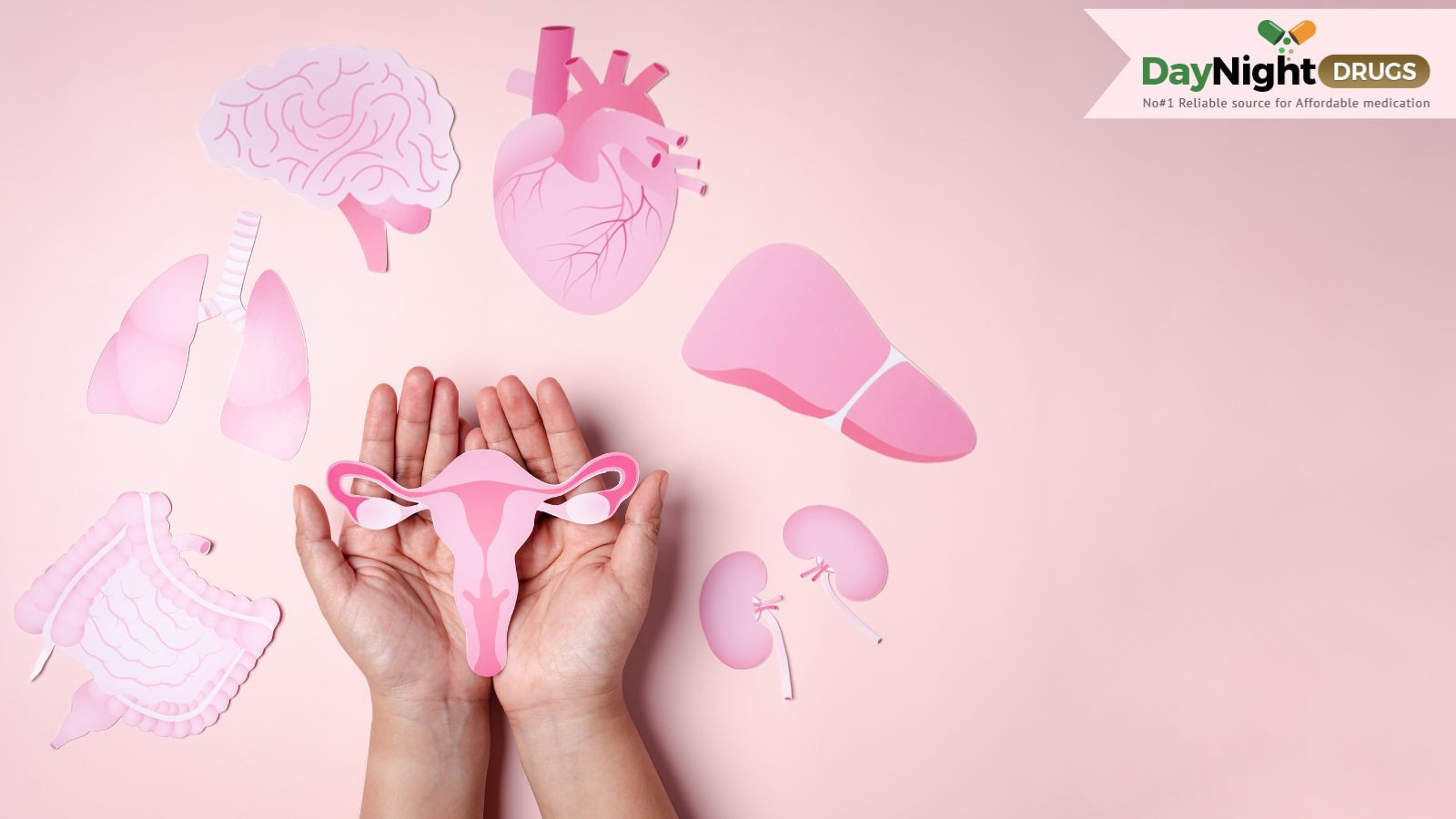
Any bleeding out of your vagina is referred to as vaginal bleeding. This bleeding can be due to menstruation or from other causes, such as a medical condition or trauma. In the majority of cases, vaginal bleeding is used to refer to the bleeding that is not linked to menstruation.
Bleeding outside of a normal menstrual cycle or between periods is considered abnormal and irregular vaginal bleeding. This bleeding can occur at any time and may come along with other symptoms such as pain, cramps, and other symptoms. If the cause behind vaginal bleeding is not menstruation, other factors can cause it, such as;
Health or medical conditions
Medications
Pregnancy
Hormones
Menopause
Injury or trauma
Infection
Experiencing vaginal bleeding or spotting at some point in your life is common and is usually not a cause for concern. These conditions should be evaluated by your doctor to determine the precise cause.
A wide range of factors can result in vaginal bleeding in addition to menstruation. It is advised that you consult your doctor to determine the potential cause of vaginal bleeding. Factors such as medical conditions, pregnancy complications, and hormones are seen as the potential causes of vaginal bleeding. If you are having abnormal vaginal bleeding, you must see a doctor at the earliest to prevent further complications. If left unaddressed, it may aggravate the underlying cause and lead to other problems.
As stated above, a myriad of health conditions in females can lead to vaginal bleeding irrespective of age. The following are the common medical conditions that lead to vaginal bleeding:
Cancers of female reproductive organs: Your chances of going through abnormal vaginal bleeding are higher if you have any cancer associated with the female reproductive system, such as the cervix, fallopian tubes, ovaries, or endometrium.
Bleeding disorders: Abnormal bleeding usually stems from inherited conditions, such as hemophilia, thrombocytopenia, or vitamin K deficiency, or from side effects of medications, such as blood thinners.
Hypothyroidism: Having an underactive thyroid gland can interrupt the normal menstrual cycle, increasing your chances of experiencing unusual or abnormal vaginal bleeding.
Uterine fibroids: Uterine fibroids, also known as leiomyomas, are growths made of tissues and muscles of your uterus, and they appear in or on the walls of your uterus. These growths are generally non-cancerous and may vary in size, location, and growth rate.
Ectopic pregnancy: Ectopic pregnancy, which is very uncommon, is a condition wherein a fertilized egg develops outside your uterus, usually in your fallopian tubes. This type of pregnancy can also lead to unusual vaginal bleeding.
Placental abruption: Placental abruption stands out as a condition that occurs during pregnancy in which the placenta detaches from the wall of your uterus, leading to vagina bleeding.
Placenta previa: This condition occurs during pregnancy, wherein the placenta typically blocks all the parts of your baby’s exit from the vagina, and vagina bleeding during the second half of pregnancy is the most common symptom.
Preterm labor: It is also one of the potential causes of abnormal vaginal bleeding in women, wherein labor occurs before the 37th week of pregnancy.
Hormonal birth control pills: Taking hormonal birth control pills can expose you to the risk of experiencing serious vaginal bleeding. However, these problems usually wear off on their own without any medical attention.
Polycystic ovary syndrome: This condition refers to the hormonal imbalance that results in irregular periods, weight gain, excess hair growth, acne, etc.
Anovulation: Anovulation is one of the major causes of infertility in women, wherein females don’t ovulate as they should. Hormonal imbalances are the primary causes, and the major symptom is vaginal bleeding.
In order to find the appropriate treatment, your medical provider will ask you about the symptoms in addition to your medical history. To find the precise cause, the medical provider might perform a physical exam and a pelvic exam. Additionally, your medical provider might also request one or more tests mentioned below:
Pap test
Urinalysis
Ultrasound
Magnetic resonance imaging (MRI)
Hysteroscopy
Thyroid functioning tests
Complete blood count (CBC)
Pregnancy test
The treatment for vaginal bleeding usually depends on the factor causing it. If hormonal imbalance seems to be the cause behind it, you might be suggested lifestyle changes such as eating healthy, losing weight, and managing stress levels. If lifestyle changes don’t bring about the desired results, you might be prescribed either surgery or medications.
Hormonal birth control method: The hormonal birth control method includes pills, a patch, and a vaginal ring. The goals of these forms of birth control are to mitigate the menstrual flow and assist the period in becoming more regular.
Intrauterine device: There are many types of IUDs that are used as birth control and to prevent bleeding. However, you must consult your doctor first before you take any intrauterine device.
Gonadotropin-releasing agonists: Medications under this drug class function by reducing the release of gonadotropin, a hormone whose role is to stimulate the ovaries. Their aim is to stop menstrual flow and reduce the size of fibroids.
Antibiotics: If the vaginal bleeding is caused by an infection, you might be recommended certain antibiotics to fight off infections and stop vaginal bleeding.
Endometrial ablation: In this procedure, different types of energy, such as cold and heat, are used to destroy the lining of your uterus, which, as a result, helps in reducing or stopping the bleeding. Make sure you inform your doctor if you wish to become pregnant in the near future.
Dilation and curettage: This process is also referred to as D&C, which is a minor surgical procedure performed by a healthcare provider to remove tissues from a person’s uterus.
Myomectomy: Myomectomy is a surgical procedure carried out by surgeons in order to remove uterine fibroids. In this process, your uterus is not removed, but the fibroids are.
Hysterectomy: This surgical procedure is advised when other treatments have failed or are unable to treat endometrial cancer. In this procedure, your uterus is removed, and you can't get pregnant.
Vaginal bleeding outside of the menstrual cycle can be caused by medical conditions, pregnancy complications, or hormonal changes. Therefore, you should see a doctor if you experience spotting or bleeding. A wide range of medical treatment areas is available, ranging from medications to surgeries, to treat vaginal bleeding. The right treatment will be determined by your doctor based on the precise cause. Vaginal bleeding, in most cases, is a sign of a serious health condition that shouldn’t be ignored. Even stress can lead to vaginal bleeding as it disrupts hormone levels. Irrespective of age, you may experience vaginal bleeding, but the number of other symptoms and their severity may vary.
B. Pharma
(Dr. A. Sharma, PharmD, is a licensed pharmacist and a medical writer with 10 years of clinical experience. He strives to empower patients to understand their medications so that they become better healthcare advocates.)
The following are considered the first signs of bowel endometriosis: severe cyclical pain, especially during menstruation, painful bowel movements, chronic constipation, diarrhea, and severe abdominal bloating. These symptoms usually exacerbate or become bothersome during the menstrual period.
You are requested to seek immediate medical attention if you experience vaginal bleeding outside of your menstrual period. If you experience vaginal bleeding during pregnancy, after menopause, or during a medical illness, with other symptoms such as dizziness, fever, and pain, get in touch with a medical provider.
Severe bowel problems, such as bowel endometriosis, can lead to bleeding from the rectum during menstruation, which may sometimes be mistaken for vaginal bleeding. In addition to this, chronic gut issues such as IBS and IBD are also linked to heavier and irregular periods due to inflammation and hormonal imbalances.
Yes, you may experience vaginal bleeding due to severe constipation and intense straining during bowel movements, especially if you have any condition such as cervical polyps or rectocele, or are in early pregnancy.

 and Earn




Processing currency - All transactions are processed in US Dollars
Copyright ©2008-2026
All Rights Reserved


Comments