US Ph : +1-647-955-3767
Call or Fax 9.30 to 5.30 pm
EST Mon to Fri.
EST Mon to Fri.


-
-
0Checkout
Your shopping cart is empty!
- Track Order
09/26/2025
If you’ve ever looked at your liquid medication and wondered, “How much is 10 mL in teaspoons or tablespoons?” — you’re not alone. Many people reach for a kitchen spoon, but that’s not always a safe or accurate way to measure medicine.
Here’s a clear and simple guide to help you understand exactly what 10 mL means, how to measure it correctly, and why accuracy matters so much for your health.
10 mL = 2 teaspoons = ⅔ tablespoon.
Don’t use household spoons for medicine.
Use medical dosing devices for accuracy.
Always consult your doctor or pharmacist for correct dosing instructions.
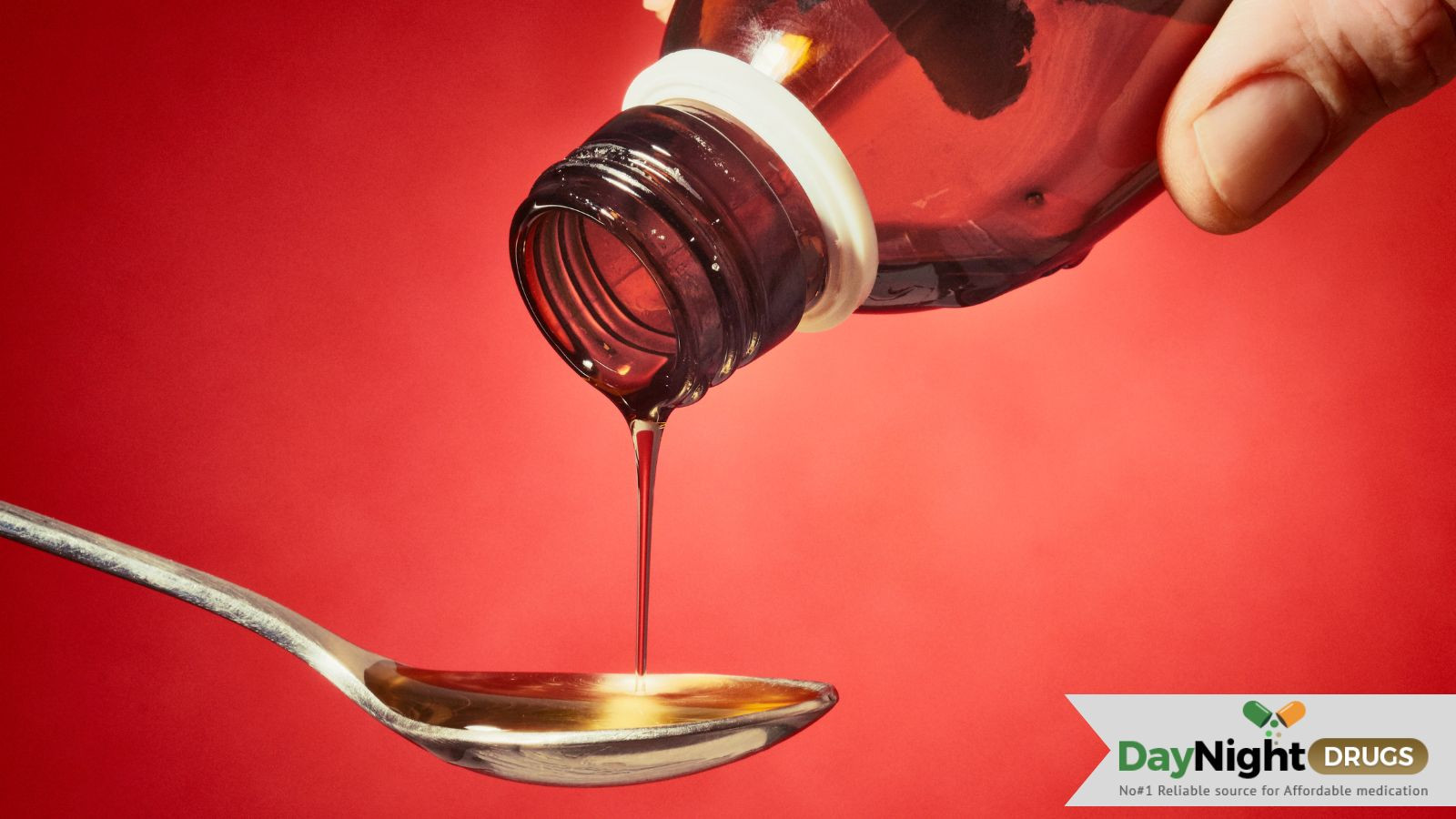
10 mL — 2 teaspoons (2 tsp)
10 mL — ⅔ tablespoon (0.67 tbsp)
1 teaspoon — 5 mL
1 tablespoon — 15 mL
10 mL equals 2 teaspoons (2 tsp)—or about ⅔ of a tablespoon (0.67 tbsp).
That means if your prescription says “take 10 mL twice daily,” you need two standard medical teaspoons, not just any kitchen spoon you find in the drawer.
This conversion seems simple—but the way you measure it makes all the difference.
Most of us have done it—grabbed a teaspoon or tablespoon from the kitchen to take cough syrup. The problem? Household spoons are not standardized.
Depending on shape and size, a “teaspoon” could hold anywhere from 2.5 mL to 7 mL. That’s a huge difference when it comes to medicine. For a child, taking just a few milliliters more could mean a mild overdose; taking too little might make the medicine ineffective.
So while a recipe might forgive a little too much vanilla, medication measurements need to be exact.
That’s why health professionals always recommend calibrated measuring tools designed for medications.
These are the most precise tools, especially for small doses. They’re marked in milliliters, easy to read, and prevent spills. Pharmacists often provide them for free when you pick up liquid medication.
These small cups usually come with over-the-counter syrups and cold medicines. Look for clear “10 mL” markings and pour slowly to the correct line.
These are standardized spoons specifically made for dosing medicines. They’re much safer than regular kitchen spoons.
If your medication didn’t come with a measuring tool, don’t worry! Your pharmacist can give you an oral syringe or dosing cup. They’ll also explain how to use it correctly.
Getting the right amount of medication isn’t just about sticking to the instructions — it’s crucial for your safety and how well the medicine works. Here’s why being precise is so important:
Underdose: If you take less than what’s prescribed, the medicine might not work properly, which could drag out your illness or symptoms.
Overdose: Taking too much can lead to dizziness, nausea, rapid heartbeat, or even more serious side effects.
Children and elderly patients are particularly sensitive to changes in dosage because their bodies handle medications differently.
Even small variations in dose can have a big effect, so don’t leave it to chance—always measure.
Here’s a quick breakdown of the straightforward math that doctors and pharmacists use:
1 teaspoon = 5 mL
1 tablespoon = 15 mL
Therefore, 10 mL ÷ 5 mL per teaspoon = 2 teaspoons
And 10 mL ÷ 15 mL per tablespoon = 0.67 tablespoon (about ⅔)
This standard conversion is used all over the world in both medicine and cooking—so you can trust it completely.
Finding the right dosage isn’t a one-size-fits-all situation. Healthcare providers personalize it based on several factors:
Age: Kids and seniors process medications differently.
Weight: Many liquid medicines are prescribed per kilogram of body weight.
Metabolism: People with faster metabolism might need doses at shorter intervals.
Medical history: Conditions like liver or kidney disease change how your body handles medicine.
Timing: Taking medicine at consistent intervals keeps the right amount in your bloodstream.
If you ever feel unsure about how much or when to take your medicine, check with your healthcare provider before adjusting anything yourself.
Think of 10 mL as two teaspoons, or roughly two-thirds of a tablespoon, the next time you see it on the label of your medication. Although it could be tempting to just reach for a kitchen spoon, those aren't made for accurate measurements and have a much larger (or smaller) capacity than you might think. Instead, use an appropriate dosing device, like a small measuring cup, a medical spoon, or an oral syringe. They are very easy to use and ensure that you always get the right amount. Additionally, if you're ever unclear about how much to take, don't be afraid to ask your pharmacist or doctor for confirmation. The measurement needs to be precise for your medication to work safely and effectively.
Sources:
https://www.drugs.com/medical-answers/question-10-ml-1175394/
Two (2 tsp).
About two-thirds (? tbsp).
It’s not recommended. Kitchen spoons vary in size, so use a marked measuring tool instead.
Yes! “mL” (milliliters) and “cc” (cubic centimeters) are equal. 10 mL = 10 cc.
Don’t panic, but tell your doctor or pharmacist—especially if it happens repeatedly or if the medication is strong.
Content published on DayNightDrugs is created and reviewed in line with medically responsible editorial standards. Please read our Editorial Content Policy to learn how we ensure accuracy, transparency, and high-quality health information.

 and Earn




Processing currency - All transactions are processed in US Dollars
Copyright ©2008-2026
All Rights Reserved






Comments