US Ph : +1-647-955-3767
Call or Fax 9.30 to 5.30 pm
EST Mon to Fri.
EST Mon to Fri.


-
-
0Checkout
Your shopping cart is empty!
- Track Order
05/04/2026
Motherhood is a precious gift that most people eagerly wait for, but not everyone gets the chance to experience it easily. You might wonder if there is anything you can do to get pregnant, but some things are not in our hands until we reach out to the specialists. Infertility is a challenging and emotional experience for couples who want to build a family. It is a medical condition that causes an inability to conceive naturally. Infertility in women is a common problem nowadays that can be cured with certain treatments. Moreover, age and lifestyle might also create a huge impact on women’s fertility. So in this blog, we will discuss how common is infertility in women.
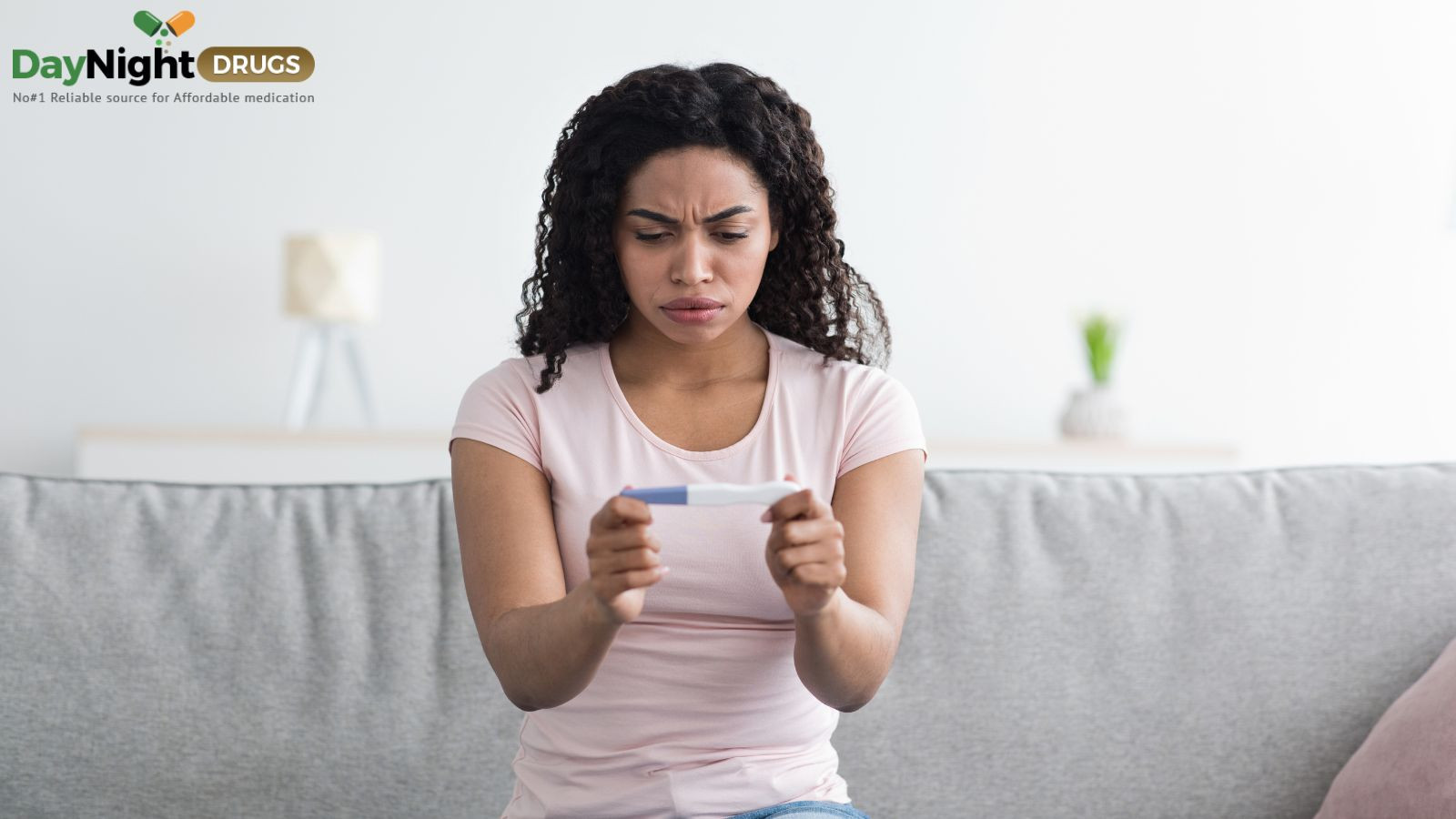
To explore the best possible treatment, firstly, you need to understand the chances of being infertile . It’s crucial to go through certain aspects of infertility and educate yourself about them. There are numerous factors affecting the fertility of women, such as Endometriosis, PCOS, Premature ovarian failure, age, and more. Let’s discuss in detail the causes of female infertility.
Ovulation Disorder- Ovulation disorders generally occur when the pituitary gland is not working properly, which is essential for regulating the body's hormones. In ovulation disorder, the ovaries are unable to release the mature eggs every month. This can result in irregular periods or a missed menstrual cycle.
Endometriosis- This is one of the leading causes of infertility in women. Endometriosis occurs when the tissue that resembles the lining of the uterus grows outside of it. A woman might face various illness outcomes, such as discomfort, inflammation, and the development of scar tissue. Scar tissue can obstruct the fallopian tubes, degrade eggs, and lead to implantation problems.
PCOS- PCOS is a hormonal condition that impacts millions of fertile women. In PCOS, a woman generally faces irregular periods, multiple ovarian cysts, and an overabundance of male hormones (androgens). PCOS leads to a hormonal imbalance that restricts ovulation. Most people want to know, “Does infertility run in families? Yes, conditions like PCOS that lead to infertility often run in families, but the symptoms vary among women.
Hormonal Imbalance- Hormones affect all the phases, be it ovulation, menstruation, pregnancy, or menopause. Changes in hormonal levels can interfere with fertility, whether caused by stress, sleep disorders, or food. Typical hormone issues consist of insufficient levels of progesterone, thyroid disorder, and elevated levels of prolactin.
Blocked Fallopian Tubes- Fallopian tubes are essential for fertilization as they connect the ovaries to the uterus. Blockages may affect the fertilized egg’s journey to the uterus and the ability of sperm to reach the egg. Blocked fallopian tubes may occur due to endometriosis, pelvic surgery, or inflammatory illness of the pelvic region.
Age- Age is one of the crucial factors affecting fertility in women. Women have a limited number of eggs, and as they grow older, the quality and quantity of eggs decline. Fertility generally starts dropping in the early 30s and drops significantly after 35 years of age.
You might have various questions regarding infertility, like what are the chances of being infertile? Millions of women face the issue of conceiving every year. Infertility affects approximately 15% of women, where female factors are accountable for not conceiving. Approximately 85% of couples conceive within the first 12 months of unprotected intercourse, and 30%-40% couples achieve pregnancy within the first 3 months.
It has become a common issue in today’s world, with most women finding it hard to conceive. Infertility is on the rise, and the main reasons are part of our day-to-day lives. Nowadays, couples believe in delayed parenting, which is one of the major reasons for infertility, as women's fertility generally declines after the age of 30; it becomes even more difficult for women to get pregnant after 35. There are various other factors too, including lifestyle factors, stress, environmental toxins, and other medical conditions.
There are numerous symptoms of female infertility, the primary one being not conceiving after 6-12 months of regular unprotected intercourse. To get an early treatment, it is essential to know about the symptoms of infertility. The following are the symptoms of infertility in women:
Irregular menstrual cycle- It is one of the most common symptoms in females who have trouble conceiving. Generally, the menstrual cycle ranges from 21 to 35 days. If your periods are consistently irregular, unexpected, or missing, this may be a sign of ovulatory disorders, which can make conceiving difficult.
Heavy or painful periods- Having some discomfort during menstruation is common, but if you experience severe pain or heavy blood flow, it may be an indication of infertility. If you experience severe pain that does not respond to painkillers or find leakage through sanitary products too quickly, consult a gynecologist.
Pain during intercourse- Unbearable pain during intercourse is also one of the major indications of a fertility issue in women. Pain during intercourse may be caused by various conditions such as fibroids, pelvic inflammatory disease, sexually transmitted diseases, and endometriosis.
Weight Fluctuations- Weight fluctuations can also impact female infertility. Being overweight or underweight can disturb the hormonal balance for regular ovulation. The reason behind excess weight could be insulin resistance, which can lead to PCOS.
Hormonal Fluctuations- There are a number of hormones that impact fertility in women, like thyroid hormone, prolactin – luteotropic hormone, progesterone, and luteinizing hormone. Most of the time, hormonal imbalances are the cause of infertility in women, such as acne, sudden weight gain or weight loss, growth of facial hair, and more.
Ovulation Induction with Medications- In this procedure, your doctor prescribes the fertility medications to stimulate the release of one or more eggs in your ovary. They generally provide clomiphene or letrozole tablets as a first-line treatment.
In Vitro Fertilization (IVF)- It is a highly effective assisted reproductive technology (ART) that involves stimulating the ovaries to produce eggs, which are recovered and fertilized in a laboratory. It is mainly used for age-related fertility issues.
Intrauterine Insemination (IUI)- It is an infertility treatment that involves placing healthy sperm directly inside a woman’s uterus to facilitate fertilization. This helps the sperm move closer to the egg when your ovary releases it.
Egg Embryo or Egg Freezing – This procedure is generally for women who face medical treatments that may impact their fertility or who choose to delay pregnancy. This enables women to preserve their fertility by freezing eggs or embryos for future use.
Remember, infertility is not the end of your dreams. With the right treatment and proper knowledge about the cause and symptoms of female infertility, you can surely achieve motherhood. Whether it's lifestyle choices or medical conditions, knowing about the causes can help you take early treatment. Fertility problems not only affect your physical body but also affect your mental health. If you have symptoms of infertility or have been trying to conceive for a long time, it’s time to seek medical help. Early detection can make a huge impact on your journey to pregnancy.
#1 cause of infertility is ovulation disorders, such as polycystic ovary syndrome (PCOS), which inhibits or makes ovulation irregular. Other major causes of infertility include endometriosis, uterine fibroids, and blocked fallopian tubes.
Odds of being infertile are severe acne, abnormal facial hair growth, unexpected weight fluctuations, irregular menstrual shifts, chronic pelvic pain, or severe pain during sexual intercourse.
90% of the woman’s eggs are gone by the age of 30. By the age of 40, only around 3% of eggs are left. The majority of women are no longer able to get pregnant naturally in their mid-40s.
Infertility can also impact your mental health. You can do relaxation activities such as meditation, deep breathing, progressive muscle relaxation, and yoga. Moreover, you can communicate with your partner and seek emotional support.
Content published on DayNightDrugs is created and reviewed in line with medically responsible editorial standards. Please read our Editorial Content Policy to learn how we ensure accuracy, transparency, and high-quality health information.

 and Earn




Processing currency - All transactions are processed in US Dollars
Copyright ©2008-2026
All Rights Reserved







Comments